
Mobility and Gender Equity

Since EASST was established we have been building the capacity of female leaders in road safety across the region, and many of our female colleagues are now global experts in the field.
Gender-responsive programmes and projects also form a central part of EASST’s work. We believe that if roads, living spaces and transport choices were designed by and to meet the needs of women, there would be far fewer casualties altogether and aim to encourage fresh thinking when it comes to who should be the priority in road designs and transport.
Many women feel that public transport is not safe, and evidence would show that if given the choice, women would immediately opt to travel by private car than by public transport due to the extent of their safety concerns. Ultimately, this means empty public transport vehicles, more traffic, and less safe roads.
We aim to ensure that gender-based analysis is used to inform the development, implementation and evaluation of EASST projects in order to better understand and address how gender affects health outcomes for everyone. As far as possible, all relevant programmatic data is gender-disaggregated and this is included in published reports.
Minsk Gender Declaration
At our 2018 All-EASST Partners Meeting in Minsk, our partners voted unanimously to support gender parity and equal opportunities in all their road safety projects.
Signing up to our Minsk Gender Declaration, partners agreed that:
“We as EASST partners are committed to maintaining an institutional culture that ensures gender parity and equal opportunities in all our work as well as leading in the delivery of gender-responsive programmes to benefit all people.”
Safe and Inclusive Mobility News
EASST welcomes the launch of the United Nations Decade of Sustainable Transport and looks forward to supporting its ambitious goals for safer, more sustainable mobility worldwide.
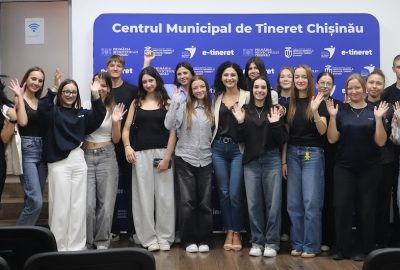
The Automobile Club of Moldova has partnered with the National Youth Agency and the Ministry of Education and Research of Moldova to launch a new training module and awareness campaign aimed at building youth engagement in road safety.

Three intersections in Chisinau have been upgraded with acoustic travel signals and more to help pedestrians with disabilities feel safer.

Emma was invited by the ITF to present at this year’s Summit in Leipzig on how assess mobility choices for women in rural Tajikistan impacts on economic opportunity.

This short online course will help managers understand how to make public transport services more accessible and inclusive of the needs of people with disabilities so they can travel independently and with confidence.

EASST partners in Azerbaijan, Belarus and Moldova pilot Disability Awareness Training with public transport managers and drivers.

Identifying the transport needs of people with limited mobility & how they are affected by a lack of road safety in Chisinau.

Safety and accessibility improvements set to transform one of Chisinau’s most dangerous roads.

Our ground-breaking project on disability and road safety in Belarus wins 2019 Prince Michael International Road Safety Award.

EASST partners the Belarusian Auto Moto Touring Club take their model of inclusive road safety education to the city of Luban.